
Blue Dogs Spotted at Chernobyl: The Mystery & Radiation's Role
The Ghost of Chernobyl: A Haunting Echo of Resilience
It's a story that hits you right in the gut. In a cruel twist of fate, Natalia Khodymchuk, the widow of Chernobyl's first victim, Valery, was killed in a Russian drone strike in Kyiv. Decades after the initial tragedy, the echoes of Chernobyl continue to reverberate, not just in Ukraine, but in our collective consciousness. It feels like a gut punch, doesn't it?
This isn't just about the past; it's a stark reminder of the present and a call to action for the future. It’s a story of loss, yes, but also of enduring love, resilience, and the importance of remembering the lessons of history. Let's dive into it, because there's something profound here that we can't afford to miss.
A Legacy of Loss and Love
Valery Khodymchuk, a dedicated worker at the Chernobyl Nuclear Power Plant, was the first to perish in the 1986 disaster. His body was never recovered, forever entombed within the radioactive ruins of reactor number 4, a tragic testament to the dangers of nuclear power gone awry. He was posthumously awarded honors, but what good are honors when a life is lost?
Natalia, his wife, carried his memory with her, a constant reminder of the man she loved and the disaster that changed her life forever. She kept his shirt, unwashed, clinging to the scent of him for decades. It’s a detail that cuts through the sterile reports and reminds you of the deeply human cost of these events.
Following the disaster, Natalia and her children were evacuated, eventually settling in a new apartment block on the outskirts of Kyiv. The cynicism of the time, the fear of radiation, it's all a stark reminder of how quickly fear can take hold. But Natalia persevered, keeping Valery’s memory alive, even visiting his symbolic grave in Moscow for years until the conflict in Donbas made it impossible.
And then, this November, tragedy struck again. A Russian drone attack hit the very building where Natalia lived, leaving her with severe burns. She later succumbed to her injuries, becoming another casualty in a war that seems to have no end. What are the odds, you might wonder, that someone who survived one unimaginable disaster would be taken by another?
The story of Valery and Natalia meeting is as simple as the plot of any Soviet film about love on the production line. She was a canteen worker in the town of Pripyat, he was a young nuclear technician who went there for lunch. They went dancing at weekends in her village, Kopachi, after which Valery would make the long walk back home.
“One time, Valera showed up unexpectedly, midweek. I was at my loom, weaving a rug with flowers,” Natalia recalls in her memoirs. “I was embarrassed that he saw how poor my home life was and what sort of clothes I wore around the house. But he had come to propose.”
Initially, the newlyweds lived in a mobile home until they received an apartment in Pripyat, the town where Chernobyl workers lived that has now been deserted for almost four decades.
Natalia and Valery Khodymchuk, 1980s, Chernobyl. Photo: Ukrainian Agency for Exclusion Zone Management
The Enduring Lessons of Chernobyl
This isn’t just a story about one woman's tragic fate, it's a microcosm of the larger narrative of Chernobyl and its continuing relevance. The disaster exposed the dangers of unchecked power, the importance of transparency, and the devastating consequences of prioritizing political expediency over human safety. It also revealed the incredible resilience of the human spirit, the ability to rebuild and remember even in the face of unimaginable loss.
Think about it: Chernobyl wasn't just a nuclear accident; it was a cultural and political earthquake. It shook the foundations of the Soviet Union, exposing the cracks in the system and ultimately contributing to its collapse. It's a historical turning point akin to the invention of the printing press, a moment that irrevocably changed the course of history.
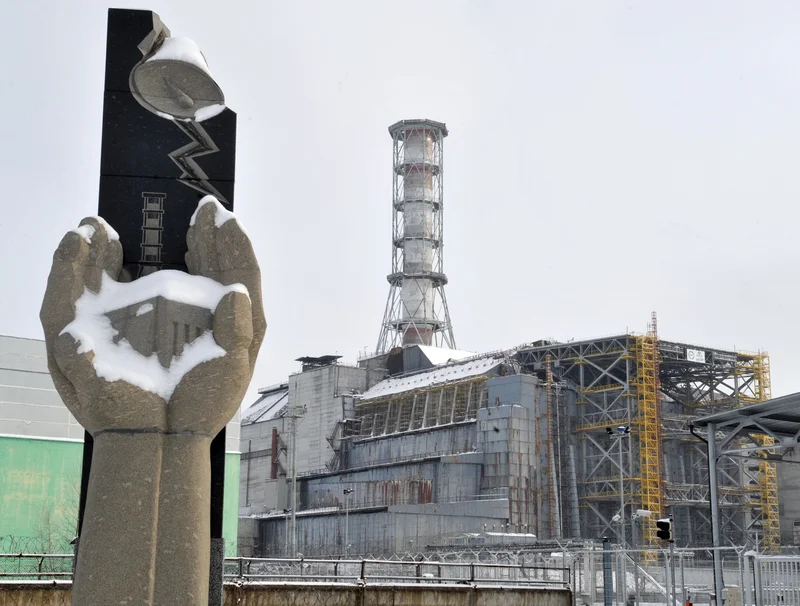
And now, decades later, we're still grappling with the fallout. The exclusion zone remains a haunting reminder of the disaster, a place where nature reclaims what humanity abandoned. But even there, life persists. The "Chernobyl dogs," descendants of pets left behind during the evacuation, roam the area, a symbol of resilience in the face of radiation. There have been reports of some of these dogs turning a strange shade of blue, not, as some feared, due to radiation, but more likely from rolling around in discarded chemicals. It's a bizarre image, but it speaks to the tenacity of life, even in the most desolate of places. Mystery of Blue Dogs at Chernobyl Disaster Site May Have Been Solved
What does this all mean for us today? It means we can never forget the lessons of Chernobyl. We must remain vigilant, demanding transparency and accountability from those in power. We must invest in sustainable energy sources and prioritize the safety of our planet and its people. And, perhaps most importantly, we must remember the human cost of these disasters, the stories of the Valerys and Natalias, so that we never repeat the mistakes of the past.
The Past Still Echoes
This story, while heartbreaking, is also a testament to the enduring human spirit. It's a reminder that even in the face of unimaginable tragedy, love, memory, and resilience can prevail. It's a call to action, a plea to learn from the past and build a better future. And honestly, when I think about the legacy of Chernobyl, and the Khodymchuk family, I feel a renewed sense of purpose. This is why I do what I do.