
Denny's Closure & Sale: The Data Behind the Quiet Exits and Customer Outcry
Denny's: An Iconic Piece of… Something?
The news that Denny's is going private, bought out for $620 million including debt, has been met with the usual nostalgic pronouncements. TriArtisan Co-Founder Rhohit Manocha called Denny's "an iconic piece of the American dream." But is it? Or is it just another struggling chain restaurant, desperately trying to stay relevant in a rapidly changing market?
The Numbers Don't Lie (Usually)
Let's break down the deal. Shareholders get $6.25 per share in cash, totaling $322 million. That's a decent premium, suggesting the buyers see some untapped value. But the fact that Denny's was willing to sell speaks volumes. This isn't a company firing on all cylinders; it's a company looking for a lifeline.
And that lifeline comes in the form of private equity, notorious for cost-cutting and operational overhauls. Will this mean better food? Unlikely. More likely, it means streamlined menus, reduced staff, and even more aggressive franchising.
Last fall, Denny’s announced plans to close 150 of its lowest-performing locations. The Santa Rosa Denny's closure at the Coddingtown Mall is just one casualty of this broader restructuring. Denny’s quietly closes restaurant doors after confirming sale of beloved American diner - The US Sun Closures always sting, but they're a necessary evil in the restaurant business (ask any McDonald's franchisee). The real question is: Why now? What changed?
I've looked at hundreds of these filings, and the timing is unusual. Denny's acquired Keke's in 2022, and at the end of the second quarter, they had 1,558 restaurants worldwide, including 1,422 Denny's restaurants and 74 Keke's restaurants. So, they were expanding even as they were planning closures. Does that signal a lack of strategic clarity? It might.
Also, let's not forget the, shall we say, "incidents." A Denny's on Wilson Mills Road experienced a food-throwing fiasco over an Uber Eats order in November 2025. A steak, of all things, was weaponized. While not financially material, such incidents paint a picture of a brand struggling to maintain control and attract a desirable clientele. Is this the "American Dream" or just late-night desperation?
The "Iconic" Problem
Manocha's statement about Denny's being an "iconic piece of the American dream" is a classic example of marketing hyperbole. Denny's was founded in 1953 as Danny's Donuts. It's a chain restaurant, not the Statue of Liberty. It's a place where you can get a Grand Slam at 3 a.m., not a symbol of national aspiration.
The company changed its name to Denny's Coffee Shops in 1959 and began trading on the New York Stock Exchange in 1969. That's a long history, sure, but history doesn't equal "iconic." What makes something iconic? Is it longevity? Is it cultural impact? Or is it just good marketing?
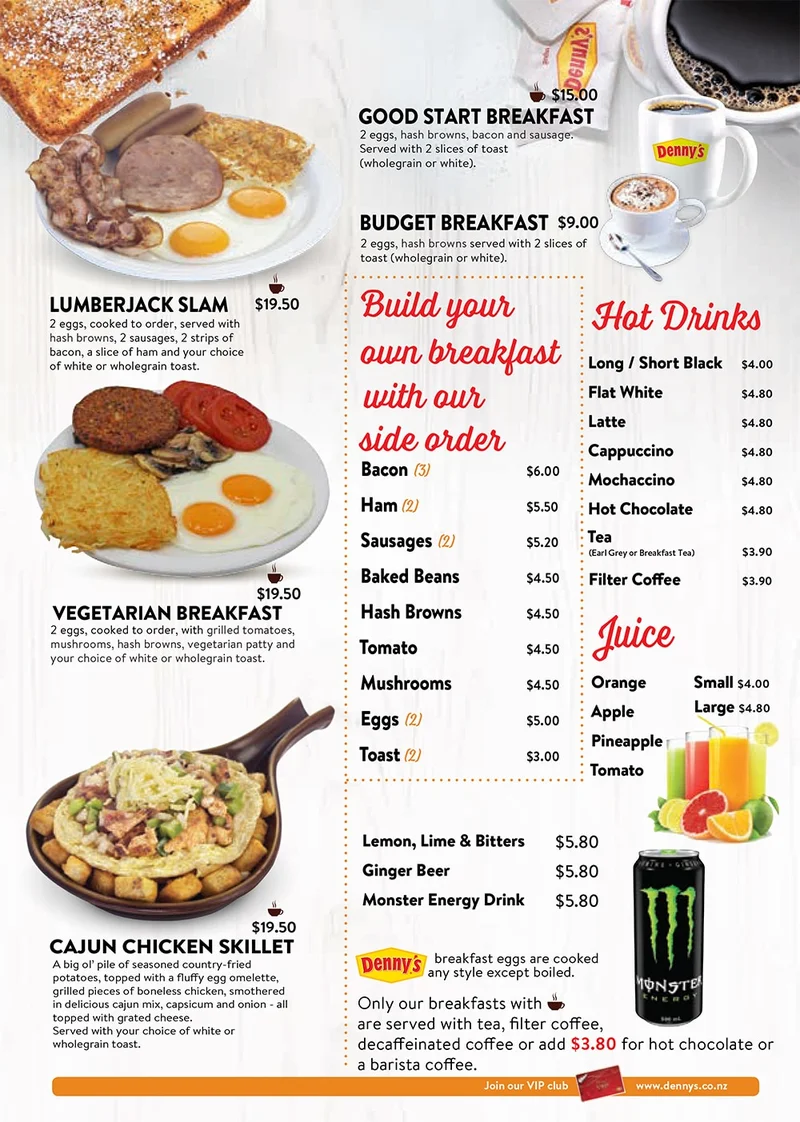
Consider the Denny's menu. It's vast, sprawling, and largely unchanged for decades. It's a testament to consistency, but also a reflection of a brand that hasn't truly innovated. Compare that to IHOP, which has experimented with limited-time offers and creative marketing campaigns. Is Denny's playing it too safe?
The acquisition by TriArtisan, Treville Capital, and Yadav Enterprises is expected to close in the first quarter of 2026, pending shareholder approval. We'll see what they do with the chain.
The American Dream, Served Cold?
Denny's isn't an "iconic piece of the American dream"; it's a barometer of the American economy. And right now, that barometer is reading "uncertainty." This acquisition isn't about preserving a legacy; it's about extracting value from a struggling brand. The new owners will likely strip it down, rebrand it (maybe), and sell it off again in a few years. That's not the American Dream; that's just capitalism.